The Ultimate Nevada Hot Springs Map: Your Guide to Desert Soaking Adventures
Field-verified hot spring guides for Utah, Nevada, and Arizona.
- September 25, 2026
- 7 mins
- Hot Springs
- nevada pillar guide
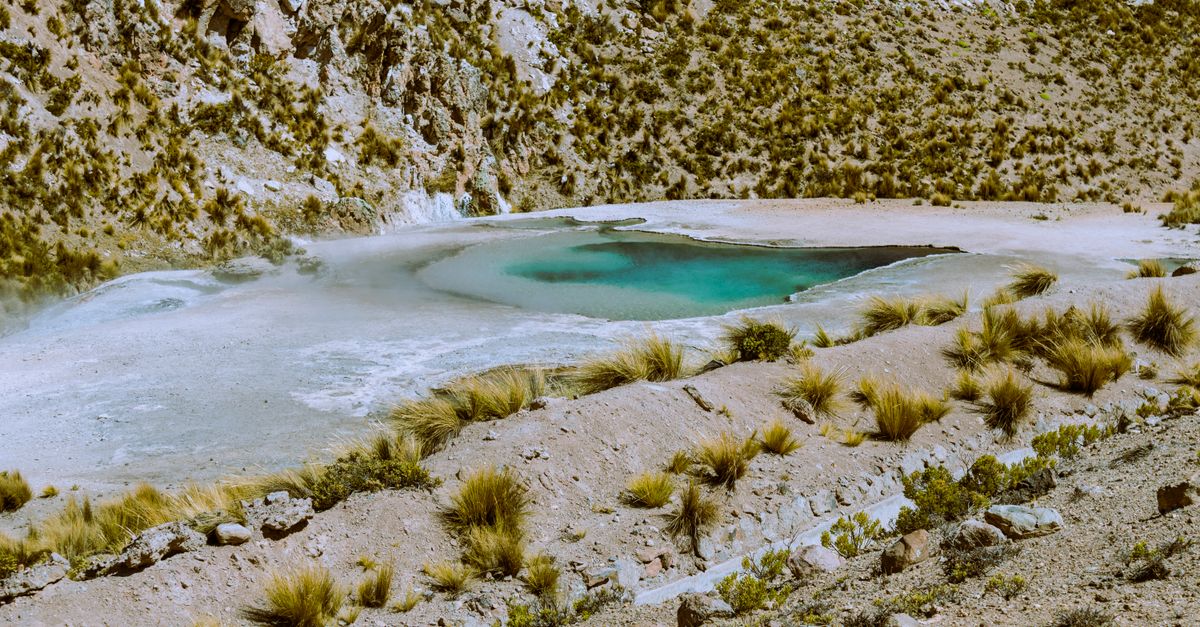
Photo by Anyela Málaga via Pexels
For travelers seeking the raw, transformative experience of natural geothermal soaking in the American Southwest, few destinations rival the dramatic landscapes and secluded thermal pools scattered across Nevada’s vast basin and range terrain. A reliable nevada hot springs map serves as the essential first tool for any adventurer hoping to unlock these remote sanctuaries, where ancient volcanic geology meets contemporary wanderlust in steamy pools surrounded by Joshua trees, pinyon-juniper woodlands, and endless horizon lines.
The importance of proper cartographic preparation cannot be overstated when venturing into Nevada’s hot spring country. Many of the most rewarding thermal features sit unmarked on BLM land, accessible only via washboard dirt roads that demand high-clearance vehicles and confident navigation instincts. Without a quality nevada hot springs map indicating precise coordinates, water temperatures, and access road conditions, visitors risk wasted hours, vehicle damage on impassable routes, or worse—arriving at a site only to find it has been compromised by recent flooding or seasonal closures.
The Silver State harbors over twenty documented thermal spring sites ranging from developed resort experiences to completely wild, clothing-optional soak pools carved into volcanic rock by generations of intrepid soakers. These range in character from the bone-hot geothermal showers at former mining camps to gentle, 102-degree Fahrenheit pools where desert bighorn sheep occasionally好奇地 observe human visitors from nearby ridgelines.
Interactive Nevada Hot Springs Map
The most valuable nevada hot springs map resources combine crowdsourced GPS data with user-submitted condition reports, creating living documents that reflect seasonal changes and road accessibility. Topographic maps highlighting elevation changes prove particularly crucial, as thermal springs concentrate in valley bottoms where groundwater heats up through proximity to the Earth’s mantle along fault lines and volcanic seams.
Best time to visit these thermal treasures spans from late March through early June, when desert temperatures remain comfortable for both the soaking experience and the often lengthy approach drives. Autumn months of October and November offer equally favorable conditions, though sudden snowstorms can close mountain access roads without warning. Summer visits, while technically possible for night soaking, expose visitors to dangerous heat and actively dangerous flash flood risks in the narrow canyons where many springs emerge.
Access difficulty varies dramatically across Nevada’s thermal landscape. Some sites sit within easy stumbling distance of paved pullouts, offering therapeutic soaks with minimal physical exertion. Others demand hour-long hikes through cactus-studded terrain, river crossings, or scrambling over volcanic basalt formations to reach pools tucked into forgotten canyons. The most sought-after soaking destinations often require navigating rutted roads that reduce travel speed to fifteen miles per hour, with occasional stream fords that test even four-wheel-drive vehicles.
Special features distinguish exceptional springs from merely adequate ones. Look for sites offering natural rock forming that creates intimate pool configurations, geothermal venting that maintains consistent temperatures regardless of air conditions, and scenic backdrops ranging from white-domed sandstone to snowcapped mountain silhouettes. The most memorable springs combine all three elements with mineral compositions that leave skin feeling silken and refreshed.
What to Expect
Water temperature and mineral content define the character of every Nevada soaking experience. Most thermal springs in the state emerge at temperatures between 95 and 110 degrees Fahrenheit, though some volcanic sites push toward scalding 120-degree readings that demand extreme caution. The ideal range for extended soaking hovers around 100 to 105 degrees, allowing thirty-minute sessions that promote circulation without overheating.
Mineral profiles in Nevada springs typically include high concentrations of dissolved calcium, magnesium, and sodium, with some sites adding traces of lithium and sulfur that contribute distinctive therapeutic properties. The legendary “hot pots” of the Black Rock Desert region, for example, maintain slightly alkaline water with measurable silica content that softens skin remarkably. Visitors frequently report that multiple consecutive soaks at these sites produce relief from chronic joint pain and muscle stiffness accumulated during long desert drives.
Facilities and amenities vary according to site development levels and public agency oversight. Completely wild springs offer nothing beyond the rock-walled pools themselves, requiring visitors to practice leave-no-trace principles rigorously. Partially developed sites often feature simple changing screens, wooden decks for towel placement, and occasionally vault toilets installed by volunteer organizations. Commercial or resort-adjacent springs provide changing rooms, shower facilities, and sometimes shaded rest areas, though these generally fall outside the “authentic” soaking experience sought by dedicated geothermal enthusiasts.
Nearby attractions complement the soaking journey for travelers planning extended Nevada adventures. The Nevada Northern Railway in Ely offers vintage steam train excursions through the mountainous backcountry. Great Basin National Park, home to ancient bristlecone pines and spectacular Lehman Caves, lies within striking distance of several thermal sites. The historic mining towns of Goldfield, Rhyolite, and Aurora provide ghost town exploration opportunities between soak sessions, while the Black Rock Desert’s vast playa offers otherworldly sunset experiences after a day of therapeutic soaking.
Planning Your Visit
Directions and access logistics reward careful advance planning more than almost any other aspect of the Nevada hot springs experience. Most thermal springs sit two to four hours from major population centers, requiring early morning departures to maximize soaking time and accommodate road variability. Highway 95 runs north-south through the heart of Nevada’s thermal territory, with most springs branching east into the basin-and-range country or west toward the California border.
What to bring extends beyond obvious comfort items to include practical gear that transforms potential disasters into minor inconveniences. Essential items include multiple gallons of drinking water per person, sturdy footwear suitable for rocky terrain, quick-dry towels that perform admirably in desert wind, and sun protection rated for extended outdoor exposure. Many experienced soak veterans carry small folding chairs for poolside seating, LED headlamps for pre-dawn departures, and ziplock bags protecting phones and car keys from geothermal moisture and desert dust.
Safety considerations for desert soaking demand unwavering respect for the unforgiving environment surrounding these thermal treasures. Never soak alone in remote locations, where cell phone service rarely exists and help may take hours to arrive. Test water temperature thoroughly before entering, as some springs fluctuate dramatically with changing geothermal pressure. Avoid soaking during afternoon thunderstorm activity, when lightning seeks the highest conductive points in exposed terrain. Most critically, hydrate continuously before, during, and after soaking sessions, as the combination of hot water immersion and desert air produces rapid fluid loss that can lead to dangerous dehydration.
Final Thoughts and Safety Reminders
Nevada’s thermal springs represent irreplaceable treasures that demand respectful stewardship from every visitor. These geothermal features exist at the intersection of volcanic geology, precious water resources, and fragile desert ecosystems that took millennia to develop their current character. The experience of sinking into mineral-rich water while coyotes call across twilight-lit canyons, watching stars emerge overhead as steam rises into the cooling evening air, remains one of the American West’s most profound and accessible wilderness experiences.
Carry out everything you carry in, including human waste if facilities are unavailable. Protect sensitive microbial mats by avoiding soaps and shampoos in pool water. Respect the privacy of other visitors by maintaining appropriate distances. Share updated road conditions and spring status information with fellow enthusiasts through reputable mapping platforms. These simple commitments ensure that Nevada’s hot springs map leads future generations to the same transformative experiences that draw modern adventurers into the Silver State’s steaming desert basins.