The Ultimate Utah Hot Springs Map: Your Guide to Desert Soaking Adventures
Field-verified hot spring guides for Utah, Nevada, and Arizona.
- September 22, 2026
- 7 mins
- Hot Springs
- pillar guide utah
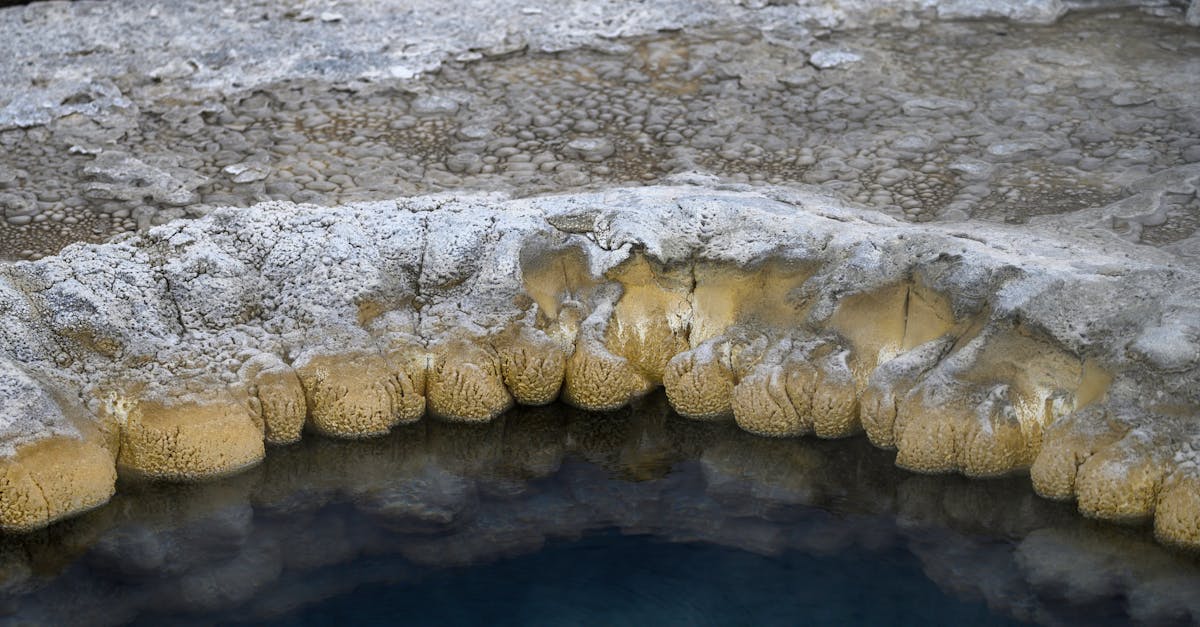
Photo by Alfo Medeiros via Pexels
Utah’s geothermal landscape tells a story written in steam, stone, and millennia of geological violence. The same tectonic forces that raised the Rocky Mountains and carved the canyons of Zion and Arches continue to heat groundwater in the depths below, sending mineral-rich waters bubbling to the surface in scattered pockets across the Beehive State. For those armed with a solid utah hot springs map, these natural wonders represent some of the American Southwest’s most rewarding and underappreciated soaking destinations. Whether you’re seeking a roadside pullout where you can stretch road-weary legs or a remote desert sanctuary requiring a challenging hike, Utah delivers geothermal experiences that rival anything found in more famous hot spring destinations.
The critical advantage of consulting a detailed utah hot springs map before your journey cannot be overstated. Utah’s hot springs are distributed across dramatically varied terrain, from the high-altitude forests of the Uinta Mountains to the blazing barrens of the Great Basin Desert. Understanding the geographic relationships between these thermal features, their seasonal accessibility, and the amenities available at each location transforms what could be a frustrating scavenger hunt into a well-planned adventure. Without this foundational knowledge, visitors risk encountering closed facilities, flooded access roads, or seasonal closures that leave them soaking in disappointment rather than mineral-rich waters.
Interactive Utah Hot Springs Map: Regional Guide to Utah’s Thermal Treasures
The most effective utah hot springs map approach divides Utah into distinct thermal regions, each offering unique characteristics shaped by geology, elevation, and proximity to major population centers.
Northern Utah’s Alpine Thermal Springs
In the mountains northeast of Salt Lake City, the Uinta Basin region hosts several significant hot springs fed by waters heated deep within the earth’s crust. These high-altitude soaking sites sit between 7,000 and 9,000 feet elevation, meaning visitors should expect dramatically different conditions than those found in the state’s desert regions. The soaking season here runs from late spring through early fall, though snow can persist well into May at the highest elevations. Access ranges from simple roadside parking to moderate hikes of two to three miles on maintained trails. What distinguishes northern Utah hot springs is their setting within aspengroves and pine forests, creating an immersive mountain experience that feels transported from the Pacific Northwest rather than the desert Southwest.
The central Wasatch Front corridor provides easier access to several developed and semi-developed soaking options. These facilities range from fully developed commercial establishments with changing rooms, temperature-controlled pools, and concession stands to rustic BLM-managed sites with nothing more than a rudimentary concrete pool and a picnic table. For those prioritizing convenience and guaranteed water quality, the developed facilities along Interstate 84 between Ogden and Mountain Home represent the most reliable options, though they lack the wild, untethered feeling that drives many hot spring enthusiasts into the backcountry.
Eastern Utah’s Canyon Country Thermal Vents
Moving east into the canyon country surrounding Moab, the thermal landscape shifts dramatically. Here, hot springs emerge from the sandstone formations that make this region one of America’s premier outdoor recreation destinations. The best time to visit eastern Utah hot springs generally falls between March and May and again from September through November, avoiding the brutal summer heat that can make soaking uncomfortable and even dangerous. Summer temperatures in canyon country regularly exceed 100 degrees, rendering hot spring soaking less appealing and creating dangerous conditions for the drive to reach remote sites.
Access difficulty in canyon country ranges from moderate to challenging. Many thermal features require driving unpaved roads that may become impassable during or after rainstorms. High-clearance vehicles are recommended for reaching the more remote sites, and all visitors should carry ample water, food, and emergency supplies. The special features of eastern Utah hot springs include their dramatic settings amid towering red rock formations, the confluence of geothermal and cultural history, and the remarkable contrast between the cool desert air and steaming mineral water. Several sites hold historical significance as traditional bathing areas for indigenous peoples and later as waypoints for Mormon pioneers establishing settlements along the Green and Colorado Rivers.
Western Utah’s Great Basin Experience
The Great Basin region of western Utah offers a different hot spring character, shaped by the vast, empty desert expanses that characterize this part of the state. Here, hot springs emerge along fault lines where underground geology creates conditions for water to heat and rise. The best time to visit generally spans April through October, with summer visits requiring early morning starts to avoid midday heat. Access to many Great Basin hot springs is straightforward, requiring only short walks from maintained parking areas, though some sites involve longer approaches across BLM land.
What to Expect at Utah’s Geothermal Features
Understanding water temperature and mineral content helps visitors choose appropriate sites and prepare physically for the soaking experience. Utah’s hot springs display remarkable variation in thermal characteristics. Some sources emerge at temperatures exceeding 110 degrees Fahrenheit, requiring significant mixing with cold water or limiting soaks to just a few minutes to avoid scalding. Others maintain comfortable soaking temperatures in the 100 to 106-degree range, ideal for extended enjoyment without dilution. The mineral composition of each spring reflects the local geology, with dissolved solids ranging from simple calcium and magnesium carbonates to more exotic elements depending on underground formations.
Most Utah hot springs feature water with a distinctly sulfurous character, producing that unmistakable rotten egg smell associated with geothermal features. While this scent can be off-putting initially, many enthusiasts consider it an essential part of the authentic hot spring experience. The sulfur content also provides documented therapeutic benefits for skin conditions and respiratory ailments, adding a medicinal dimension to the recreational appeal. Water clarity varies considerably, from crystalline blue-green pools to milky turquoise sources that suggest higher mineral concentrations.
Facilities and amenities at Utah hot springs range from non-existent to fully developed. Many primitive sites offer nothing beyond the thermal pool itself, requiring visitors to practice leave-no-trace principles rigorously. Clothing-optional bathing is common at remote sites, though visitors should always assess the character of a location before disrobing. Some developed areas maintain changing rooms, restrooms, and even small stores for basic supplies. Nearby attractions throughout Utah’s hot spring country include world-class hiking in national parks, scenic drives through canyon country, and the unexpected cultural amenities of towns like Moab and St. George.
Planning Your Visit
Successful hot spring adventures begin long before arrival at the thermal source. Directions and access require research tailored to each specific destination, as conditions change with seasons and weather events. Many remote hot springs are accessed via gravel roads that demand careful driving and appropriate vehicles. Checking current road conditions with local BLM or forest service offices provides essential real-time information unavailable from outdated guidebooks or cached map data.
What to bring to a Utah hot spring depends heavily on the destination’s development level, but certain items prove universally valuable. A good towel that dries quickly serves multiple purposes, while water shoes protect feet from rocky pool bottoms and potential scalding zones. Drinking water is essential, as the combination of heat, sun exposure, and elevation can rapidly dehydrate even experienced visitors. A thermos of hot beverages extends the soaking season into cooler months, while sunscreen and sun-protective clothing guard against the intense desert UV exposure that surprises many newcomers to Utah’s canyon country.
Safety considerations for desert soaking extend beyond the obvious risks of scalding. Heat exhaustion and heat stroke represent serious threats, particularly during summer months when ambient temperatures compound the thermal stress of soaking. Visitors should never soak alone at remote sites, should inform others of their plans and expected return time, and should carry communication devices capable of functioning in backcountry conditions. Cell phone coverage remains unreliable in many hot spring areas, making satellite communicators or personal locator beacons valuable investments for serious backcountry explorers. Finally, visitors should respect the fragile desert environment, packing out all trash, avoiding damage to surrounding vegetation, and treating the shared resource with the reverence it deserves.